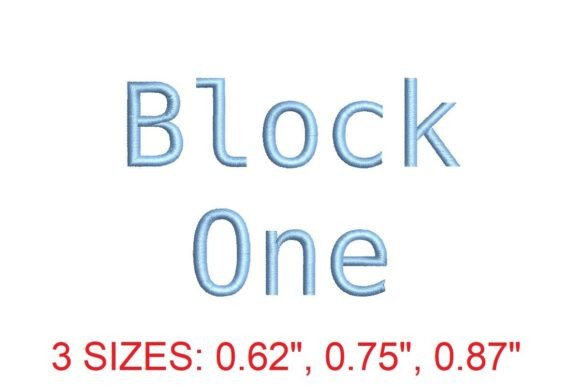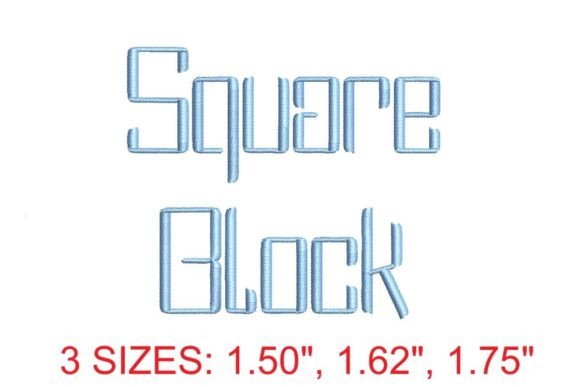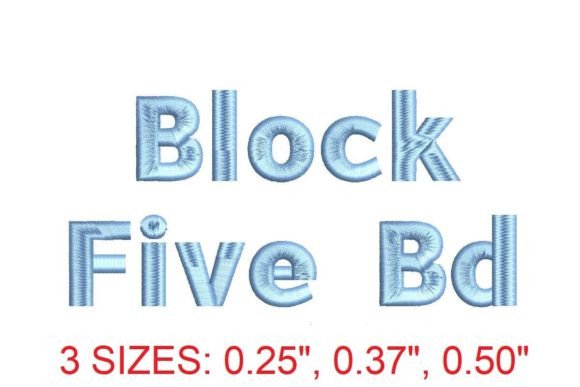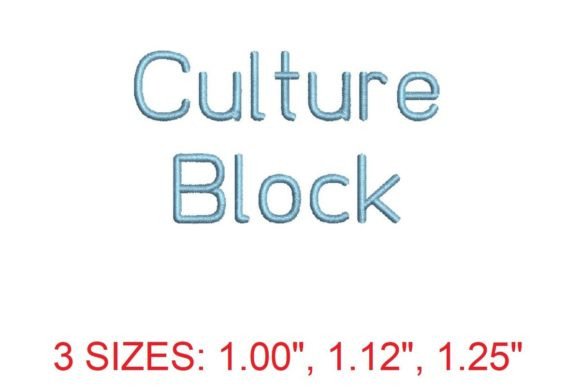
Gin Block Regular Embroidery Font
A Seasonal Designer’s First Look at Gin Block Regular
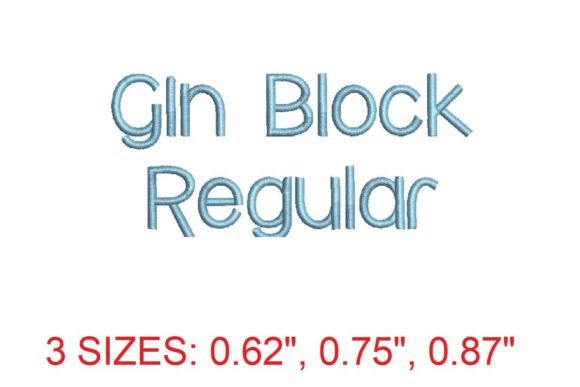
As an embroidery designer who’s built dozens of holiday collections—from cozy Thanksgiving aprons to limited-edition Christmas pillow covers—I opened the Gin Block Regular Embroidery Font with quiet anticipation. What greeted me wasn’t flashy or overly ornate, but something far more valuable in seasonal work: grounded charm. The letters carry a soft, hand-drawn confidence—neither too rigid nor too whimsical. It reads as warm, approachable, and quietly elegant—ideal for handmade gifts that feel personal, not mass-produced. Think “family recipe towel” rather than “trendy Instagram tee.” Its balanced weight and open spacing give it strong legibility on both kitchen towels and baby onesies, while its subtle rounded terminals add just enough friendliness for Back To School spirit—think embroidered lunchbox tags or personalized backpack patches.
Where Gin Block Regular Shines in Holiday & Seasonal Product Lines
This font isn’t just decorative—it’s *functional* in high-demand seasonal contexts. On sweatshirt embroidery, it holds up beautifully at 3–4 inches wide, delivering crisp, confident lettering without excessive stitch density. For tote bag design, its clean structure ensures readability even when scaled to 6 inches across canvas. I tested it on kitchen towel embroidery using standard cotton terry—and the results were consistently clean, with no thread nesting or skipped stitches. As a pillow cover font? Perfect for monogrammed sets or couple names stitched across linen blends. And because it integrates seamlessly with the popular PES file format, loading into commercial embroidery machines is frictionless—critical when you’re prepping 50+ holiday orders before Black Friday.
For Etsy sellers and small shop product creators, Gin Block Regular Embroidery Font supports strong visual storytelling. Its tone pairs naturally with earthy fall palettes, muted winter blues, and soft spring pastels—making it versatile across multiple holidays without needing redesign. In gift bundles (e.g., matching mugs + towels + embroidered napkins), it creates instant cohesion. On social media previews and printable mockups, it renders cleanly in both digital and print formats—no pixelation, no awkward kerning. Even layered over textured fabrics like burlap or woven cotton, its moderate stroke contrast maintains clarity. That consistency builds customer trust: shoppers recognize your brand voice across ornaments, embroidered patches, and table linens—even if they’ve never seen your shop before.
Real-World Use Cases That Just Work
- Personalized gifts: Names on baby blankets or custom graduation caps—Gin Block Regular stays legible and heartfelt at medium sizes.
- Family matching items: Coordinates effortlessly across adult sweatshirts, kids’ tees, and toddler bibs thanks to its balanced proportions.
- Craft fair displays: Looks polished on printed banners and stitched samples—no need for extra embellishment.
- Limited edition apparel: Elevates simple crewnecks or denim jackets with understated sophistication.
- Home decor drops: Works equally well on linen pillow covers and rustic wooden ornaments (when paired with iron-on backing).
Where to Use Gin Block Regular With Intention
Not every surface or scale suits this font—and that’s okay. As a working embroidery designer, I recommend caution in these scenarios:
- Small hoop sizes (under 3”): Avoid using Gin Block Regular below 1.5" height—fine interior curves may lose definition.
- Tiny lettering on dark fabric: Its moderate stroke weight can fade visually without high-contrast thread colors or proper underlay.
- Thick, napped fabrics like heavy terry or fleece: Requires extra stabilizer support—test stitch density first to prevent puckering.
- Metallic thread applications: While beautiful, metallics highlight any tight corners; simplify letter spacing slightly for smoother runs.
- Stretchy garments or curved caps: Always pair with cutaway stabilizer and reduce top tension—its clean lines show inconsistencies quickly.
Design Notes Every Seasonal Seller Should Follow
Before adding Gin Block Regular Embroidery Font to your next holiday drop, take these practical steps:
- Test thread colors on both light and dark fabric—especially for Etsy listings where color accuracy drives conversions.
- Check stitch density in your embroidery software—adjust if needed for dense weaves like denim or delicate silks.
- Confirm hoop size compatibility with your most-used machines—some versions may require 5x7” minimum.
- Use appropriate stabilizer: tear-away for stable cottons, cutaway for knits, and fusible for lightweight linens.
- Create realistic mockups—not just flat PNGs—using garment templates that reflect real fabric drape and texture.
- Review stitched samples closely: check small details like dot accents on “i” and crossbars on “t” after hooping and stitching.
- Plan matching color palettes in advance—this font pairs beautifully with oatmeal, charcoal, sage, and terracotta.
- Verify commercial licensing terms before selling finished products—this is non-negotiable for Etsy sellers and craft fair vendors.
Why Gin Block Regular Fits the Emotional Rhythm of the Season
Holiday shopping isn’t just about what people buy—it’s about how they *feel* when they hold it. Gin Block Regular Embroidery Font taps into that warmth. It doesn’t shout—it invites. It feels like handwriting from someone who cares, which directly translates to higher perceived value in personalized gifts and small shop products. Customers don’t just see text; they sense intention. That emotional resonance boosts engagement during peak holiday periods, encourages repeat purchases, and strengthens brand consistency across seasonal embroidery collections. Whether used for Back To School spirit or December gifting, it delivers timeless appeal without leaning into cliché—making it a rare, reliable asset in any digital embroidery file library.