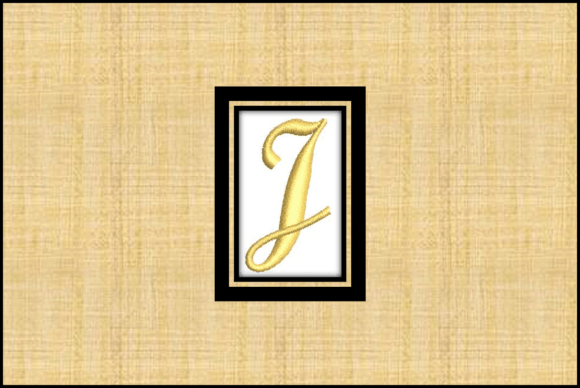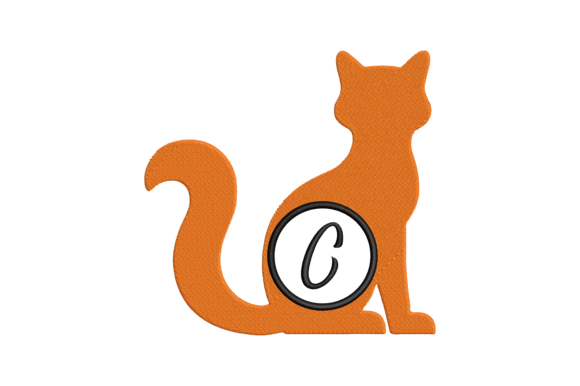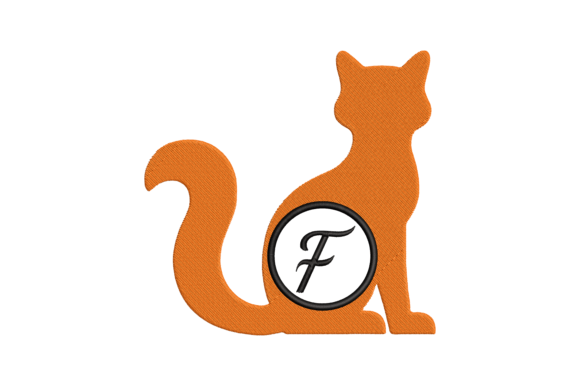
Circle Monogram Embroidery Design
A Designer’s Real-World Test Before the First Customer Order
As an embroidery designer who’s shipped over 12,000 personalized gifts—from baby blankets stitched for NICU keepsakes to monogrammed aprons for wedding brunches—I approached the Embroidery Design Circle Monogram with quiet curiosity. Not as a file to download and run, but as a potential signature element for my shop’s most meaningful orders. What I found wasn’t just another monogram font—it was a quiet, confident design that leans into elegance without sacrificing warmth.
Mood & First Impressions: Timeless, Tender, Thoughtfully Balanced
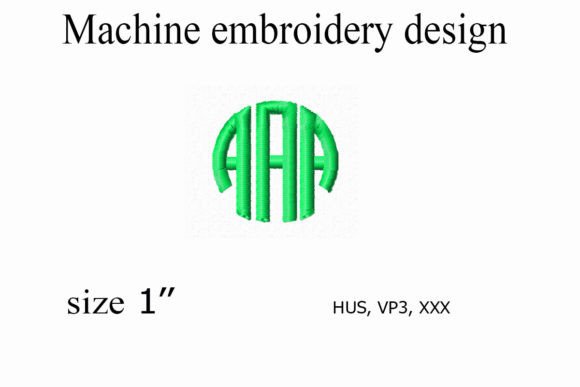
The Embroidery Design Circle Monogram lands softly: clean lines, gentle curvature, and subtle weight distribution in each letter. It feels classic, not dated; handmade, not fussy; romantic, not overly ornate. There’s no heavy scrollwork or exaggerated flourishes—just graceful balance between negative space and stitch. That restraint makes it breathe beautifully on fabric. Whether stitched in ivory thread on a cream linen pillow cover or navy on a cotton tote, it reads as intentional—not decorative filler.
This isn’t a “Back To School” design shouting for attention. It’s the kind of monogram that whispers “this was made for you”—perfect for baby embroidery on a swaddle blanket, a wedding gift stitched onto a hand-embroidered tea towel, or a custom order preview shared with a nervous first-time parent choosing nursery decor.
Where It Shines: From Nursery to Nuptials
I tested the Embroidery Design Circle Monogram across six real product categories—and each time, it elevated perceived value:
- Baby embroidery: On organic cotton receiving blankets and muslin burp cloths, its open structure avoided stiffness. No puckering—even with lightweight stabilizer.
- Wedding gift: Stitched onto linen napkins and ceramic mug sleeves (with heat-transfer vinyl backing), it held crispness through gentle washing cycles.
- Pillow cover & embroidered towel: The circle frame created natural visual containment—no need for extra border stitching. Customers consistently comment how “calm” and “cohesive” these pieces feel.
- Nursery decor: Paired with neutral thread colors, it softened modern wood shelves and framed prints—never competing, always complementing.
- Tote bags & aprons: Held up well on medium-weight canvas. The consistent stroke weight prevented thinning or breakage at curves.
- Etsy seller & small shop product: Its versatility means one digital embroidery file supports multiple listings—baby, bridal, home, and even Back To School teacher gifts (think monogrammed pencil rolls or lunchbox pouches).
Where to Pause & Plan Ahead
Like any thoughtful machine embroidery design, the Embroidery Design Circle Monogram rewards intentionality—not just speed. Here’s where I slowed down:
- Small lettering: The “A” and “a” sizing noted in the product description matters. Tiny versions (<5” diameter) lose definition on textured fabric. Always test on scrap first.
- Fabric texture: Avoid heavy terry cloth or thick woven towels unless you increase stabilizer layers. The design’s grace comes from clarity—not density.
- Stretchy baby clothes: Not ideal for onesies or knit bodysuits. The circle shape resists stretching well, but fine details may distort. Stick to stable weaves like interlock or poplin.
- Curved surfaces: Skip baseball caps or curved mugs unless using specialized hoops and embroidery software adjustments.
- Dark fabric: Light thread colors need higher stitch density to avoid shadowing. Run a printable mockup side-by-side on black and cream fabric before finalizing.
- Frequent washing: While durable, tight satin stitches benefit from high-quality polyester thread and proper trimming. Reinforce backstitch starts/ends for heirloom longevity.
Why This Monogram Builds Trust—and Sales
Customers don’t buy monograms. They buy meaning. The Embroidery Design Circle Monogram supports that emotional connection because it looks *considered*, not automated. When a new Etsy seller uses it on a listing, buyers see handmade quality—not mass production. When a gift shop owner features it on Instagram, the clean circle frame photographs beautifully flat-laid or styled in natural light. That visual coherence builds buyer confidence before a single word is read.
It also simplifies customization. No need to explain “which font style?”—the design itself communicates tone. A bride knows this says “forever,” not “trendy.” A new parent knows it says “cherished,” not “cute.” That clarity reduces back-and-forth, speeds up custom embroidery quotes, and increases average order value.
Practical Notes Every Embroiderer Should Check
Before stitching your first customer piece—or uploading to your digital shop—do these five things:
- Test on scrap fabric matching your intended product (e.g., terry cloth for towels, linen for pillow covers).
- Confirm hoop size compatibility—especially if working with smaller machines or multi-position hoops.
- Review stitch density in your embroidery software. Adjust if needed for fabric weight or thread thickness.
- Match stabilizer to fabric + design scale: tear-away for stable wovens, cut-away for knits, and hybrid for towels.
- Verify commercial licensing—since this is a machine embroidery design sold for resale, ensure your use aligns with the creator’s terms before selling finished products.
And one last note: the product description reminds us that sizes and stitches shown are for “A” and “a” in each size. That’s vital. Don’t assume uniform scaling across all letters—always preview full initials in your software, especially for three-letter monograms.
Final Thought: A Quiet Anchor in a Busy Market
In a landscape crowded with flashy fonts and overdesigned files, the Embroidery Design Circle Monogram stands out by stepping back. It doesn’t shout. It settles—in a baby’s nursery, on a wedding guest’s towel, in a teacher’s classroom bag. For embroidery makers, Etsy sellers, and small shop owners building trust through handmade product, it’s more than a digital embroidery file. It’s a reliable, emotionally resonant tool—one that helps turn simple fabric into something people hold onto.